

Lydia Kiesling
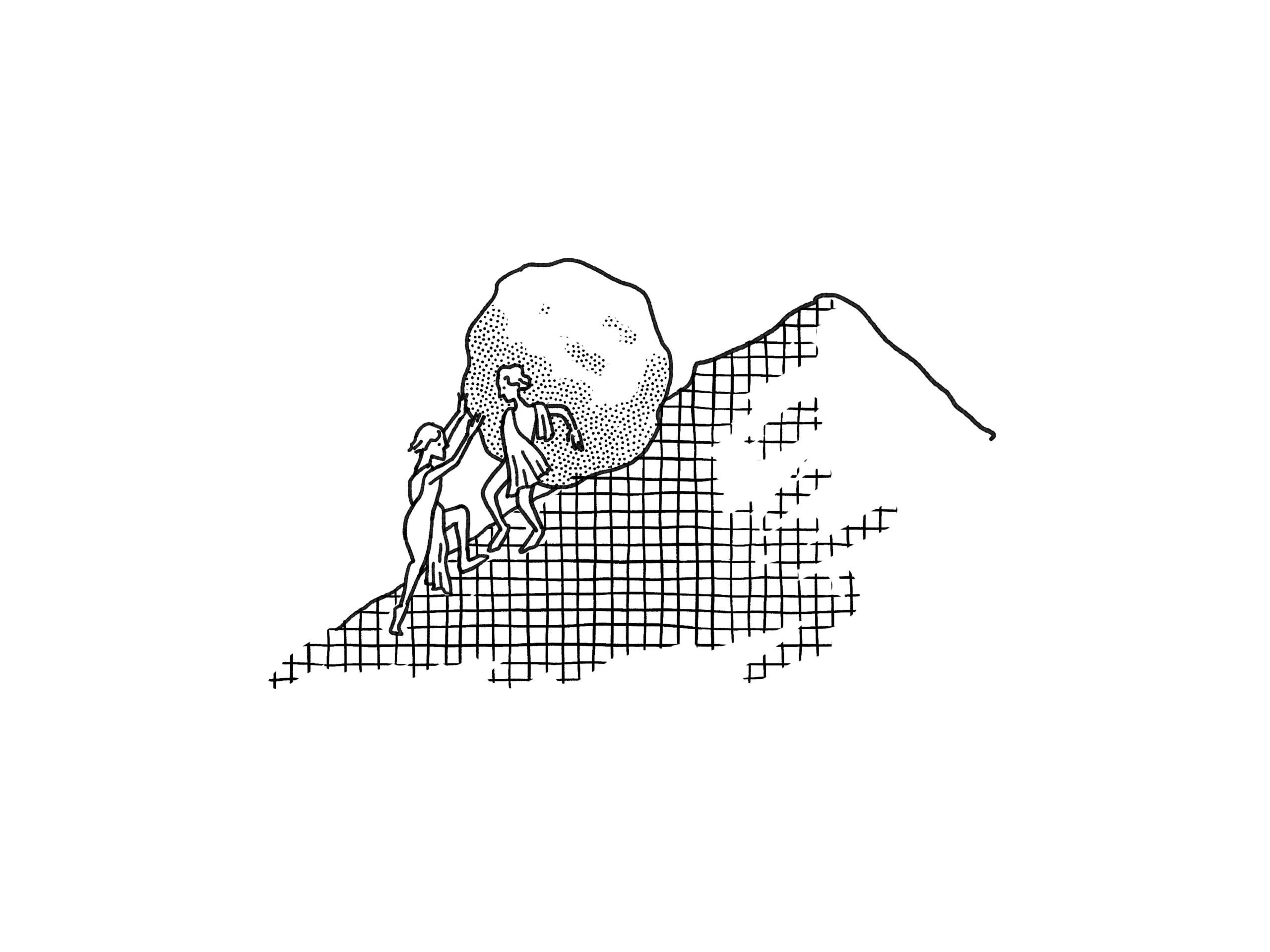
Help Each Other Up the Hill
Lydia Kiesling
American economists are arguing about whether the economy is good or bad: if the numbers look good, but the people feel bad, who is correct? Family policies are one place where the numbers are undeniably bad — unaffordable childcare, horrible gun and traffic violence, intensifying mental health crises. But since the birth rate is also bad, it’s bad form to focus on these bummers, from a demographer’s perspective, lest we...
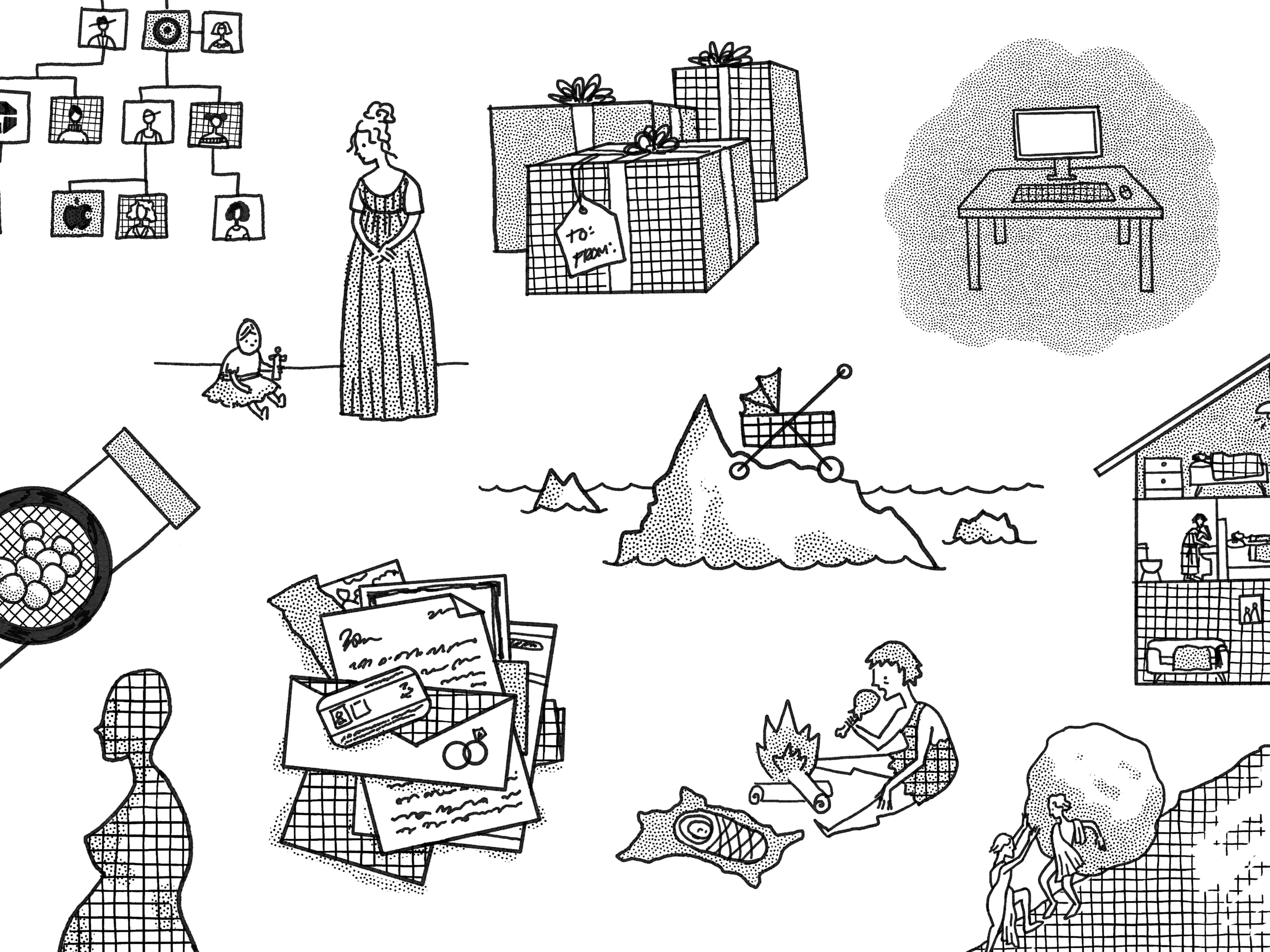
No Returns | On Family Functions and Dysfunctions
Dan Brooks, Elisa Gonzalez, Gaby Del Valle, Karim Kazemi, Lydia Kiesling, Nancy Ko, Nawal Arjini, Noelle Bodick, P.E. Moskowitz, Paul McAdory, S.C. Cornell
In December, The New Yorker asked, “How Did Polyamory Become So Popular?” in a piece that tracked the rise of the open relationship, from the obscure “province of utopian free-love communities” to its status as a mainstay of “Park Slope marriages and prestige television.” In January, New York magazine took on the same topic in a cover story, which explored the “increasingly mainstream world of ethical non-monogamy” and included “a...
