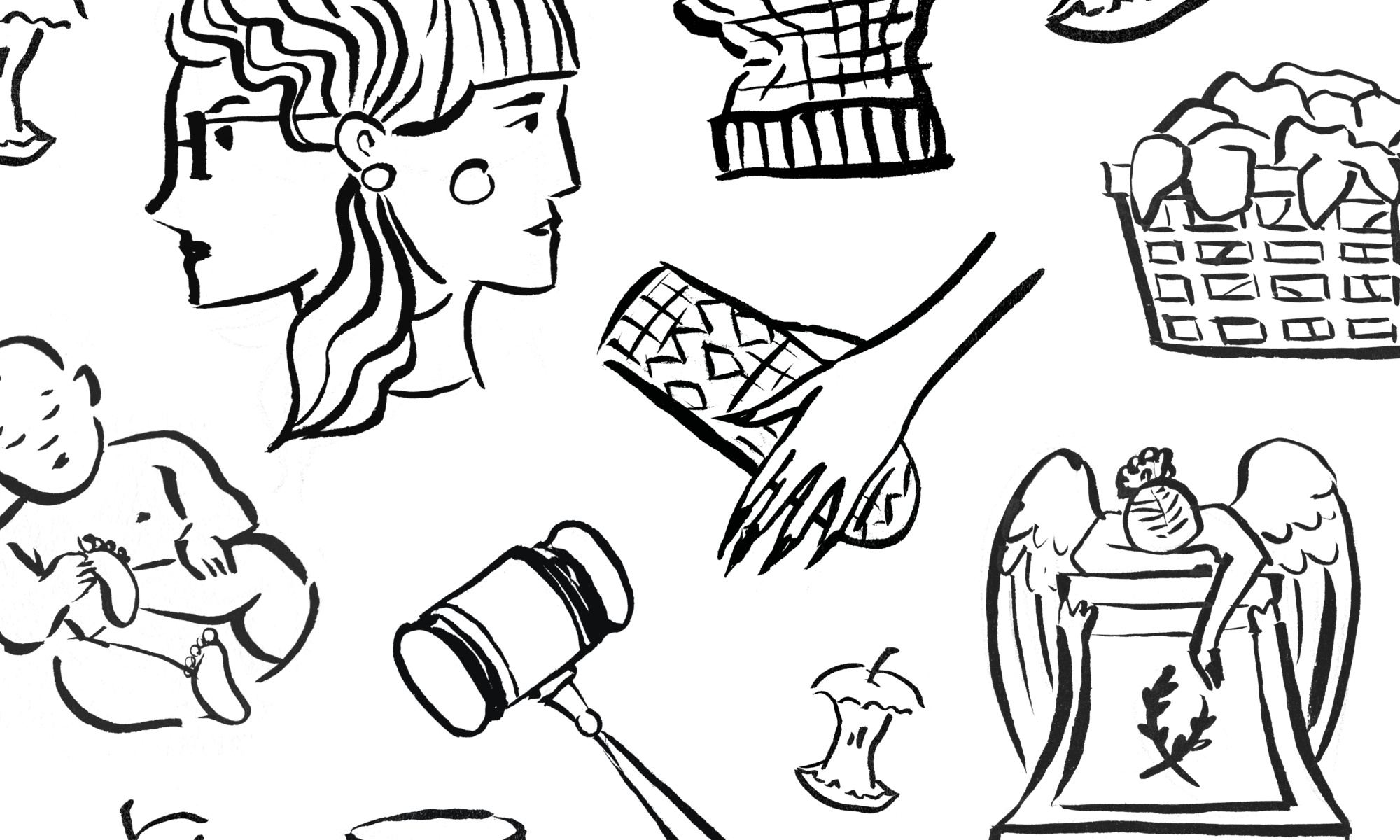

Ding dong, the girlboss is dead! So claimed New York magazine’s The Cut in an apologetic eulogy published last August. But like Rasputin, the girlboss didn’t go quietly: attempts on her life date back as least as far as 2016, when Salon declared that, after Hillary Clinton’s electoral loss and the bankruptcy of Sophia Amoruso’s fast-fashion empire Nasty Gal, “it felt like the entire #GirlBoss era was uniformly rejected.” Other postmortems appeared periodically in the intervening half-decade: “The End of the Girlboss Is Here”; “The Girlboss Has Left the Building”; “The Girlboss Era is Over. Welcome to the Age of the Girlloser.” Few, if any, matched the insight or influence of Melissa Gira Grant’s 2013 critique of Lean In, written when the girlboss archetype was still just a twinkle in the corporate feminist’s eye: “Women and our social movements do not need a better boss but a more powerful base, from which we can lead on our own terms.” Nor did this deluge of content prevent at least two writers from insisting anew, during the recent Elizabeth Holmes trial, that the legal condemnation of the long-since-disgraced Theranos founder signals the actual end of the girlboss’s reign — for really real, this time. But is Holmes’s downfall really a story of faux feminism gone awry, or is it a parable about Silicon Valley fecklessness and the gullibility of the investor class?
The reluctance of critics to let go of the girlboss framework after the exhaustion of its usefulness points to an impasse in contemporary feminist discourse, which has for some time seemed trapped in a loop of disavowal. With notable exceptions, much recent feminist writing has devoted itself principally to patrolling the movement’s borders for interlopers. You’re less likely to read about what twenty-first century feminism is than what it isn’t: sex negativity, sex positivity, Hillary Clinton, TERFism, SWERFism, #MeToo, pussy hats, women’s coworking spaces, cashmere sweaters with “consent” embroidered on them, representation, wellness, even Jeffrey Epstein’s right-hand woman Ghislaine Maxwell, whose “false feminism” a Washington Post columnist recently felt it necessary to contest. Some of these currents and figures represent legitimate dangers to the movement and are worthy of sustained rebuttal; others are marginal, unserious, or merely provocative. And while feminist dissensus is as old as feminism itself, it can feel like we’re living through a particularly degraded form of this disagreement, rehearsing familiar arguments not to raise consciousness but by rote. The temptation to fixate on feminist pretenders is obvious when the alternative is confronting the social, political, and economic rights women have yet to win, progress on many of which (universal childcare, fairly compensated domestic labor, true reproductive freedom) has been stalled for decades. But we have too many real enemies to waste our time on playground ones. The task ahead isn’t generating column inches; it’s building something that will outlast them.