There’s a new invite on my calendar for a team meeting. The embedded A.I. that I neither asked for nor can delete says I have no conflicts, though it also lobs potential replies that display a conspicuous deference and enthusiasm. During the meeting, my editor says usage of the in-house A.I.-powered editorial tool will now be factored into reporters’ performance reviews.
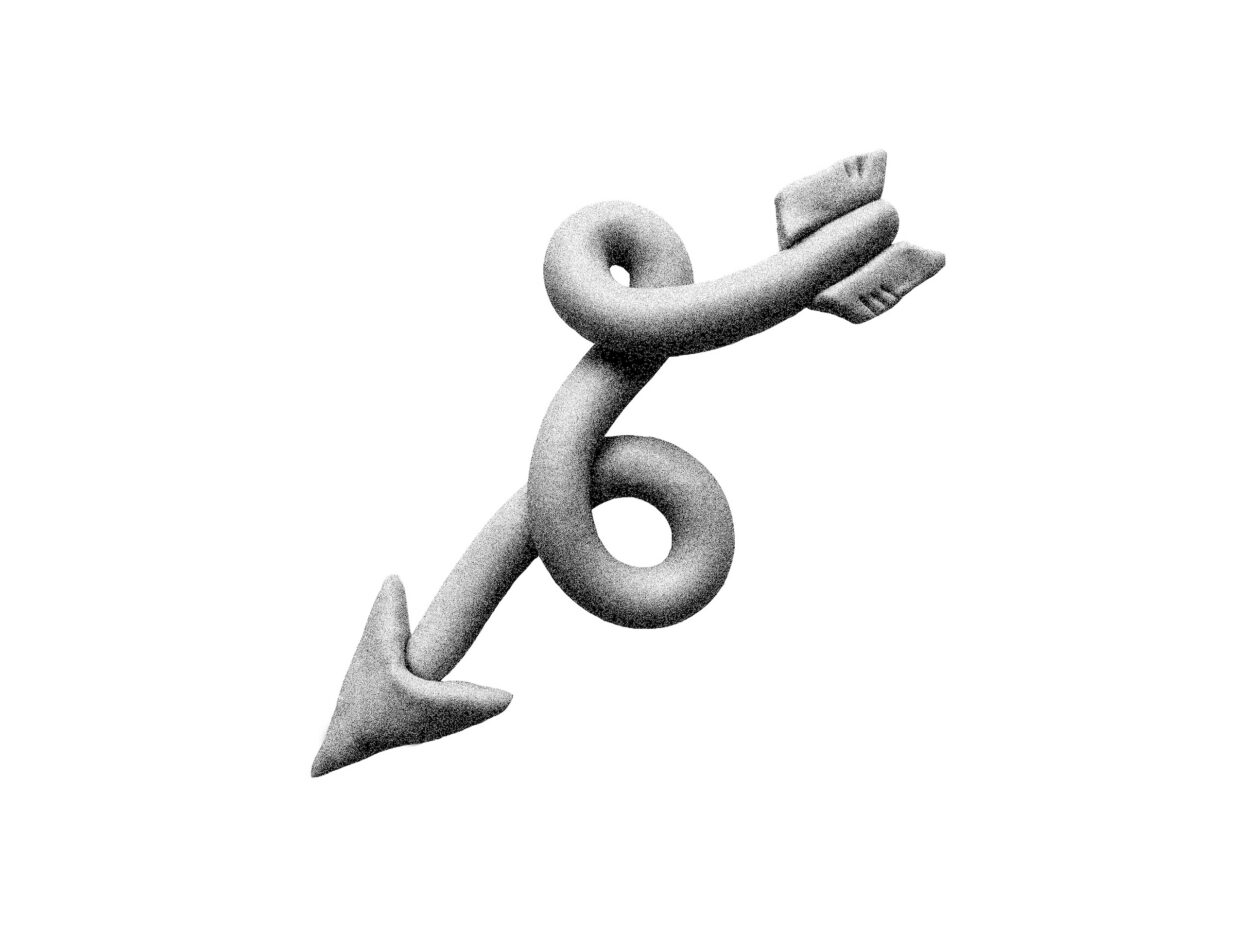
Against the backdrop of doomerist narratives, the tool itself is quite innocuous. It flags typos and identifies sentences that might need a second go, which are already low-hanging fruit for a copy editor. “It’s a tool,” my editor reminds us, “another arrow in your quiver.”
She neglects to mention what powers A.I. and the promise behind it: the totality of all human experience and knowledge cataloged on the internet thus far, and a seismic shift in the nature of work itself. Isn’t there something wondrous about how we’ve devised systems using mere probability to so convincingly approximate human intelligence? And isn’t it a shame so much of the managerial elite in this country so easily overlook that what they seek is, by its own name, artificial?
Whether or not there is any economic there there to justify the over one trillion dollars estimated to have been spent on A.I. thus far, there’s undoubtedly a sense of an imminent inflection point, a great labor displacement into something unknown. I can see it on the faces of my fellow reporters as we’re told that mere usage of the A.I. tool is what matters. Did this also happen when companies switched to email?
Perhaps an ever-larger underclass of precarious workers will welcome its newest members from the white-collar services sector. Perhaps A.I. will become commoditized and sold back as a cheaper alternative to human labor, while corporate America, in turn, demands a higher price to avoid a new slop-tier of the consumer economy. Or, perhaps A.I. really will increase the aggregate amount and quality of goods and services in the economy, with more, better jobs to spare.
For now, I must continue to use the A.I. tool, no matter how marginal I find its benefits, even without factoring in the non-subsidized cost the company may soon incur. Maybe my latest article will help the tool make our future stories read better, eventually. Maybe I’m just helping amortize the cost of utterly calamitous financial decisions.
At the very least I know I’m doing my part. I survive to work another day.